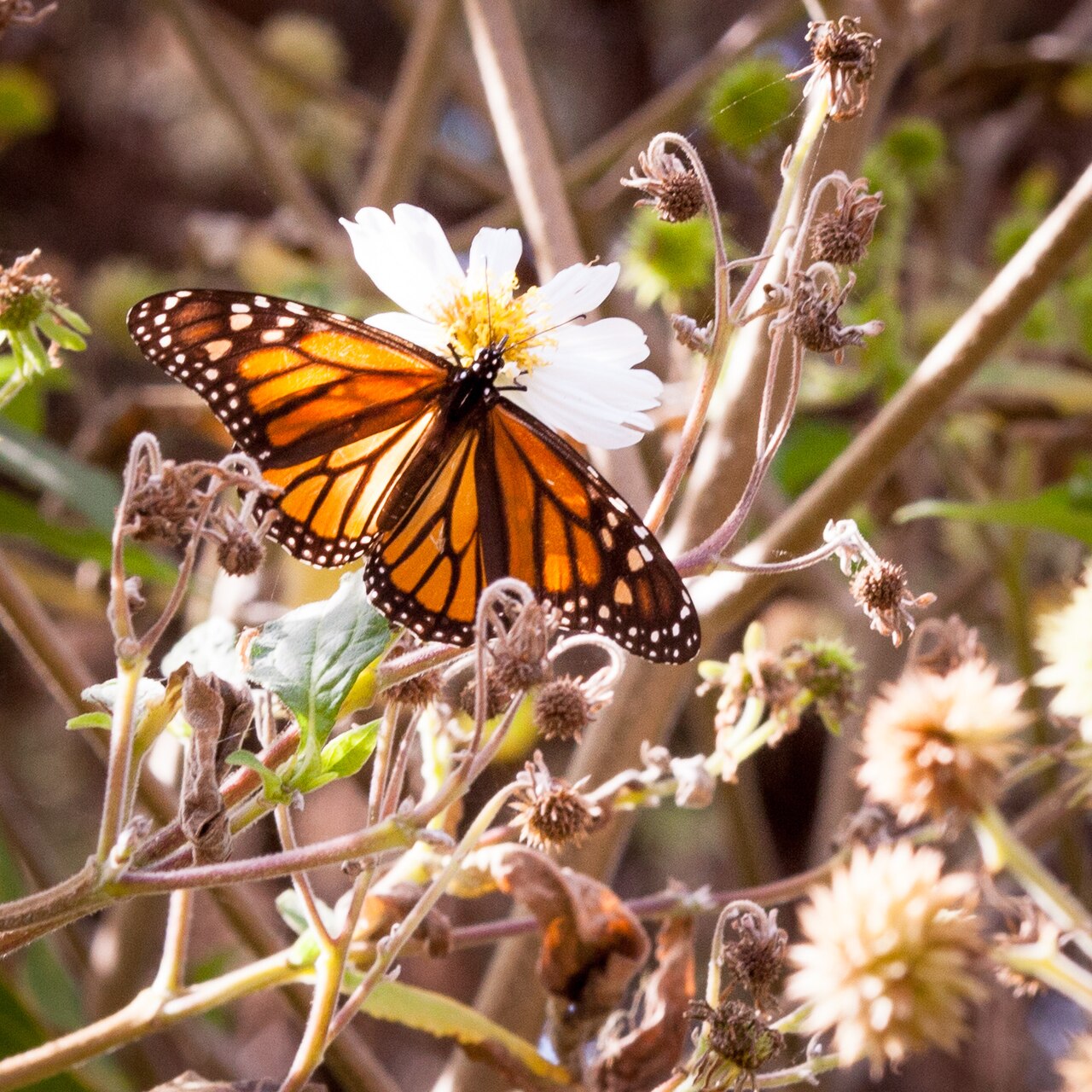
Monarch Grove Sanctuary
Butterfly Town's winter miracle, October to February
⏱ 30-60 minutes👤 All ages$
Get Tickets
Get Monarch Sanctuary Tickets
Skip the line · mobile tickets accepted at the door
The western monarch's overwintering map concentrates on a thin ribbon of California coast where winter stays between frost and heat, fog tempers the sun, and the right groves break the wind — and Pacific Grove has guarded its share of that map since 1938, when protecting the butterflies became city law (molesting a monarch still carries a municipal fine, a statute the town cites with pride). The sanctuary off Ridge Road is the flagship: a city-owned grove of eucalyptus, Monterey pine, and cypress whose microclimate hits the monarchs' narrow requirements, managed with the Pacific Grove Museum of Natural History as scientific partner.
The phenomenon runs on temperature. Below about 55 degrees the butterflies cluster for warmth — thousands deep on favored boughs, wings closed, the colonies hanging like dried foliage (first-timers routinely stare at the right branch and see nothing until a docent's scope resolves it). As midday sun warms the grove, the clusters loosen: wings open to solar-panel orange, then the air fills — individuals spiraling out to nectar in neighborhood gardens and stream back by late afternoon. Peak residency typically runs November through January inside an October-February season; sunny late mornings after cold nights deliver the cluster-to-flight show at its best. Docents (midday, most season days) bring scopes, counts, and the deeper story: the western population's drastic modern declines and partial rebounds, the habitat work the counts fund, and why this fragile commute from the inland West comes down to a few acres of trees.
Visit mechanics: free, dawn to dusk, a flat quarter-mile loop among the trees — this is a sanctuary, not a show: quiet voices, stay on paths, no touching (the city means the fine), drones and pets barred. It sits in residential Pacific Grove minutes from Lovers Point and the Coastal Trail's end, making it the gentle companion stop to a Pacific Grove shoreline morning — with the museum downtown (the monarch exhibit and sighting updates) as the rainy-day double.
What to Expect
Format
A free, docent-staffed eucalyptus grove where thousands of western monarchs overwinter — dense clusters on cool mornings, drifting flight when midday sun warms them. Seasonal: roughly October-February, peak November-January.
Best Time
Sunny late mornings after cold nights, in the November-January peak — clusters first, then the warming flight. Outside the season the grove is just trees; check the museum's count updates.
Duration
Thirty to sixty minutes — long enough to let a cluster take flight.
Tips
Bring binoculars or borrow the docents' scopes — clusters hide as dead leaves until resolved. Visit the grove before expectations: counts vary year to year with the species' fortunes. Quiet voices, paths only, no touching (it's literally the law here). Pair with Lovers Point, five minutes away.
⚡ Quick Picks
Best For
A gentle, genuinely moving hour — one of the coast's last great migrations at neighborhood scale.
Families
Docents hand kids the scope view that converts them on the spot; the loop is stroller-flat.
Couples
A quiet grove full of sleeping butterflies is the peninsula's strangest, softest date.
Pair With
Lovers Point and the Pacific Grove shoreline, or the museum downtown for the science.
Time Needed
Under an hour.
Ready to book Monarch Sanctuary?
Get Tickets →Frequently Asked Questions
When exactly should we come?
The season runs roughly October through February with peak clusters November-January. Best viewing: a sunny late morning after a cold night — clusters early, flight as it warms. The museum posts current counts.
Is it guaranteed?
Nature doesn't sign contracts — western monarch numbers swing hard year to year. Check the Pacific Grove Museum's sighting updates before building a day around it, and treat a thick year as the gift it is.
Does it cost anything?
No — the sanctuary is free, open dawn to dusk in season, with volunteer docents and scopes typically midday.
Why Pacific Grove?
The overwintering strip needs a precise microclimate — frost-free, fog-tempered, wind-broken groves — and the town has protected its share since 1938, fine-for-molesting-a-monarch ordinance included.
What else is nearby?
Lovers Point's coves and the Coastal Trail's Pacific Grove end are five minutes away; the natural history museum downtown holds the monarch exhibit and the week's news.
More Monterey Attractions
Browse all →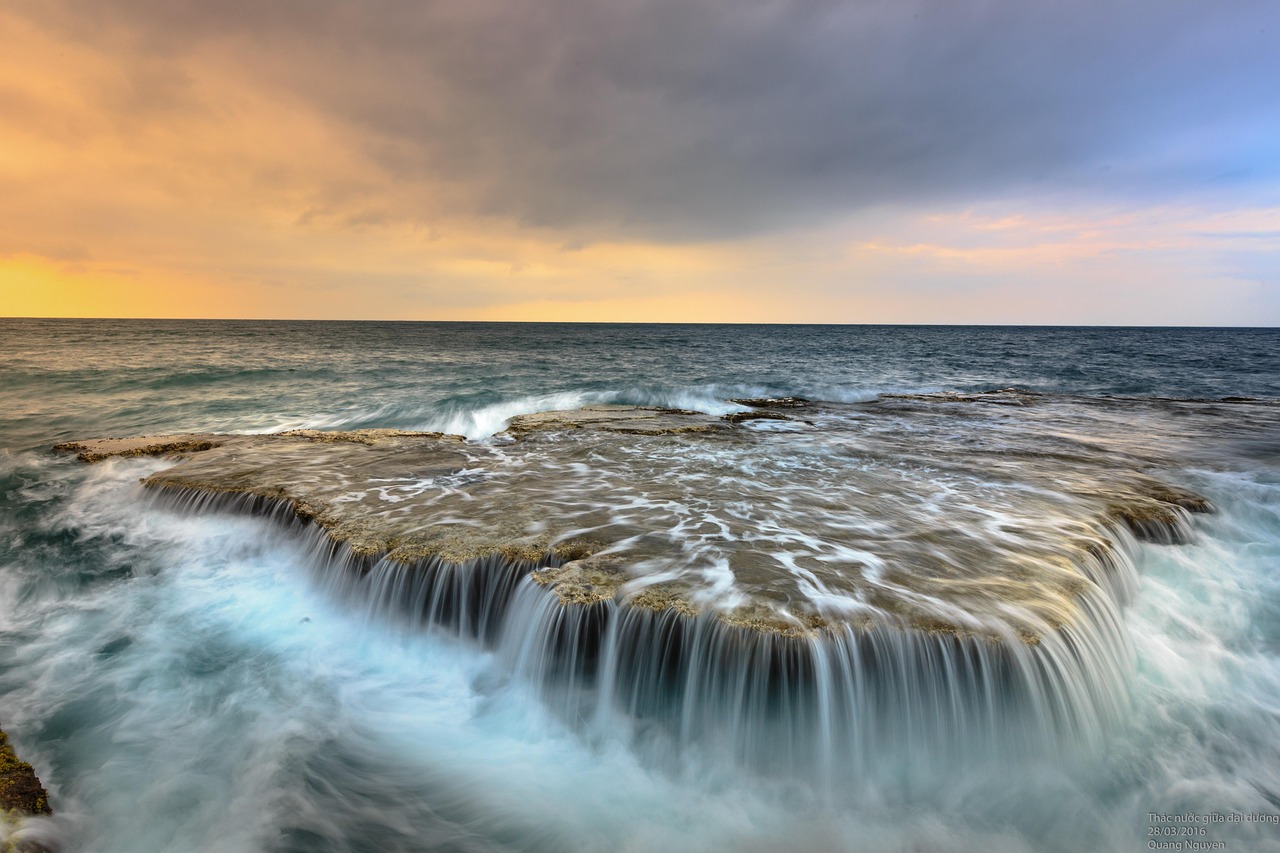
Monterey Bay Coastal Recreation Trail
Eighteen car-free miles on the old railroad grade — the showpiece stretch links the wharf, Cannery Row, and Lovers Point past otters, harbor seals, and tidepools. Rent a bike or surrey and the whole shoreline becomes one ride.

17-Mile Drive & Pebble Beach
The famous private coast road through Pebble Beach — the Lone Cypress, Bird Rock's seals, white-sand Spanish Bay, ghost-tree Pescadero Point, and the 18th at Pebble, all for a gate fee refunded against resort lunch.

Monterey Bay Aquarium
The best aquarium in America, arguably the world — a three-story kelp forest breathing with the tide, sea otters at play, the Open Sea's tuna and sunfish gliding through blue, all in a converted cannery hanging over the bay itself.