Pinnacles National Park
Volcanic spires and condors inland from the coast
⏱ Half to full day👤 All ages$
Get Tickets
Get Pinnacles Tickets
Skip the line · mobile tickets accepted at the door
The rock formations that give Pinnacles its name are the remains of an ancient volcano that formed along the Pacific coast millions of years ago and was later split by the San Andreas Fault, with half of it carried many miles north-west of its original position. Erosion then carved the survivors into the towers, cliffs and gorges visitors walk through today. Congress made Pinnacles a national park in 2013, and its separate east and west sides are linked only by trails, not a road, which shapes every plan for visiting.
Hiking is the main event. The Bear Gulch and Balconies areas feature talus caves, formed when boulders wedged into narrow gorges and created natural roofs, and walking through them with a flashlight is the park's signature experience; the caves can close for bat-protection or conditions, so check the park's current conditions page before you plan around them. Longer loops climb to the High Peaks for views of the whole formation, the Salinas Valley and, on clear days, the Pacific. Pinnacles is also famous for rock climbing and for California condors, the huge scavengers reintroduced here, which you can sometimes see soaring along the cliffs. The park is excellent for wildflowers in spring, when the hills are green.
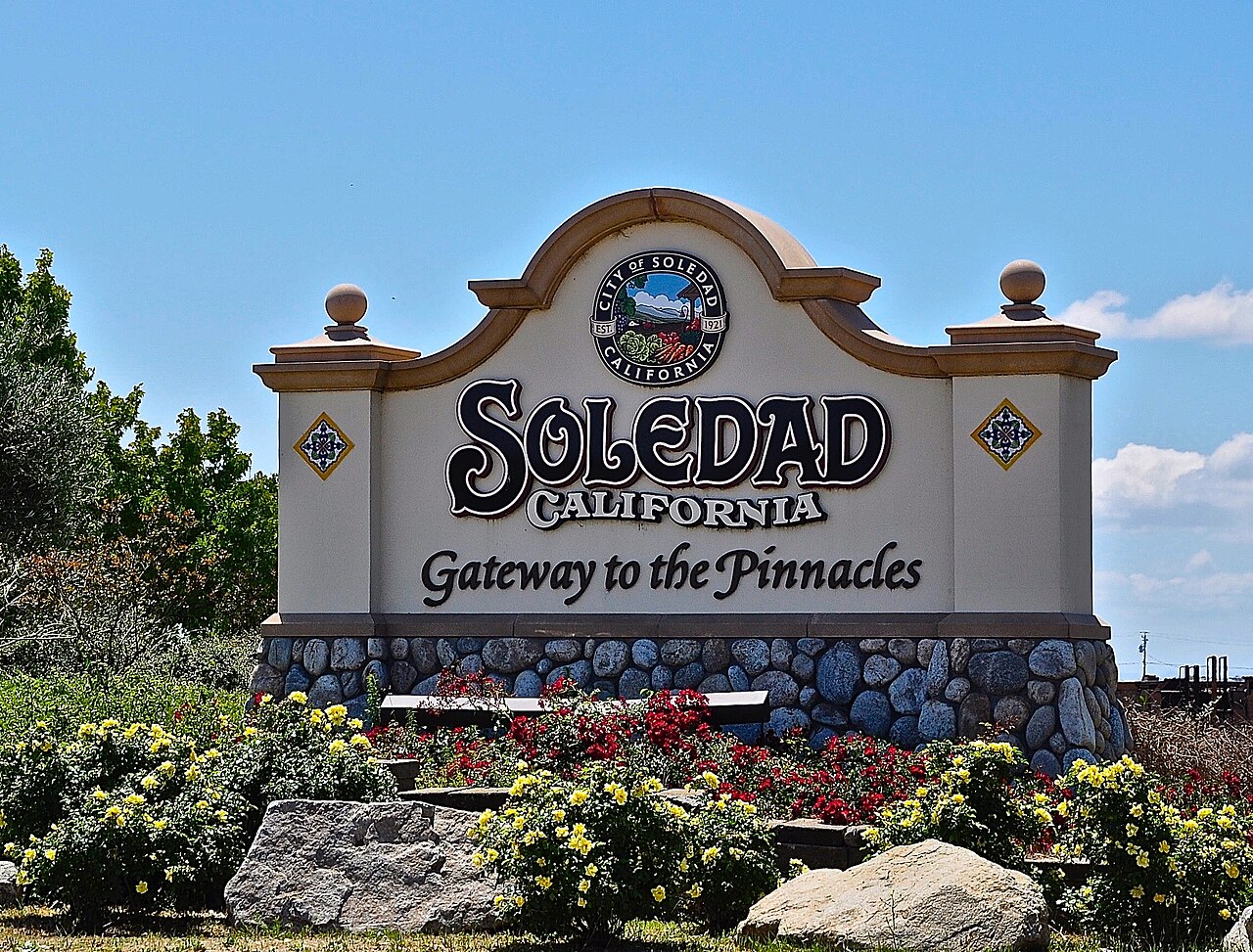
Practicals: from Monterey, the west entrance near Soledad is the closer approach and takes roughly an hour, while the east entrance is a longer drive around. Remember there is no road across the park, so decide which side you want before you go. The park's own guidance stresses bringing plenty of water, at least a liter per hour of hiking, and avoiding strenuous hikes in the summer heat. Spring, fall and winter are the comfortable seasons. Entry is by park fee, so check the National Park Service page for current fees and conditions. Fit: hikers, climbers, wildlife lovers, photographers and families with school-age children who like caves and rock scrambles. It is a long day, so start early.
What to Expect
Format
A day in a national park of volcanic spires and talus caves: hike the Bear Gulch and Balconies areas, climb toward the High Peaks, and scan the cliffs for condors.
Best Time
Spring for green hills and wildflowers; fall and winter for cooler hiking. Avoid midday hiking in summer, when heat can be dangerous.
Duration
Half a day for the cave hikes, a full day for the High Peaks loops, plus about an hour each way from Monterey.
Tips
Bring a flashlight for the caves and at least a liter of water per hour of hiking. Choose the east or west side first, since no road crosses the park. Check conditions for cave closures.
⚡ Quick Picks
Best For
Hikers and climbers who want a dramatic, inland contrast to the coast.
Families
Good for school-age kids who enjoy cave scrambles; start early and carry plenty of water.
Couples
A scenic hiking day, best in spring, with a wine stop on the way back.
Pair With
A Salinas Valley wine stop or the Steinbeck Center on the drive back to Monterey.
Time Needed
A full day with the drive.
Ready to book Pinnacles?
Get Tickets →Frequently Asked Questions
How far is Pinnacles from Monterey?
The west entrance near Soledad is roughly an hour from Monterey. The east entrance is a longer drive, and there is no road connecting the two sides.
When is the best time to visit?
Spring, when the hills are green and wildflowers bloom, and the cooler fall and winter months. Summer heat can make hiking uncomfortable or dangerous.
Are the caves always open?
Not always. Talus caves can close for bat protection or conditions, so check the park's current conditions page and bring a flashlight if they are open.
Can I see California condors?
Often, yes. The park is part of the condor reintroduction effort, and the birds can be spotted soaring along the cliffs, especially with binoculars.
How much water should I carry?
The park advises at least one liter per hour of hiking, regardless of the weather, and more in warm months.
More Monterey Attractions
Browse all →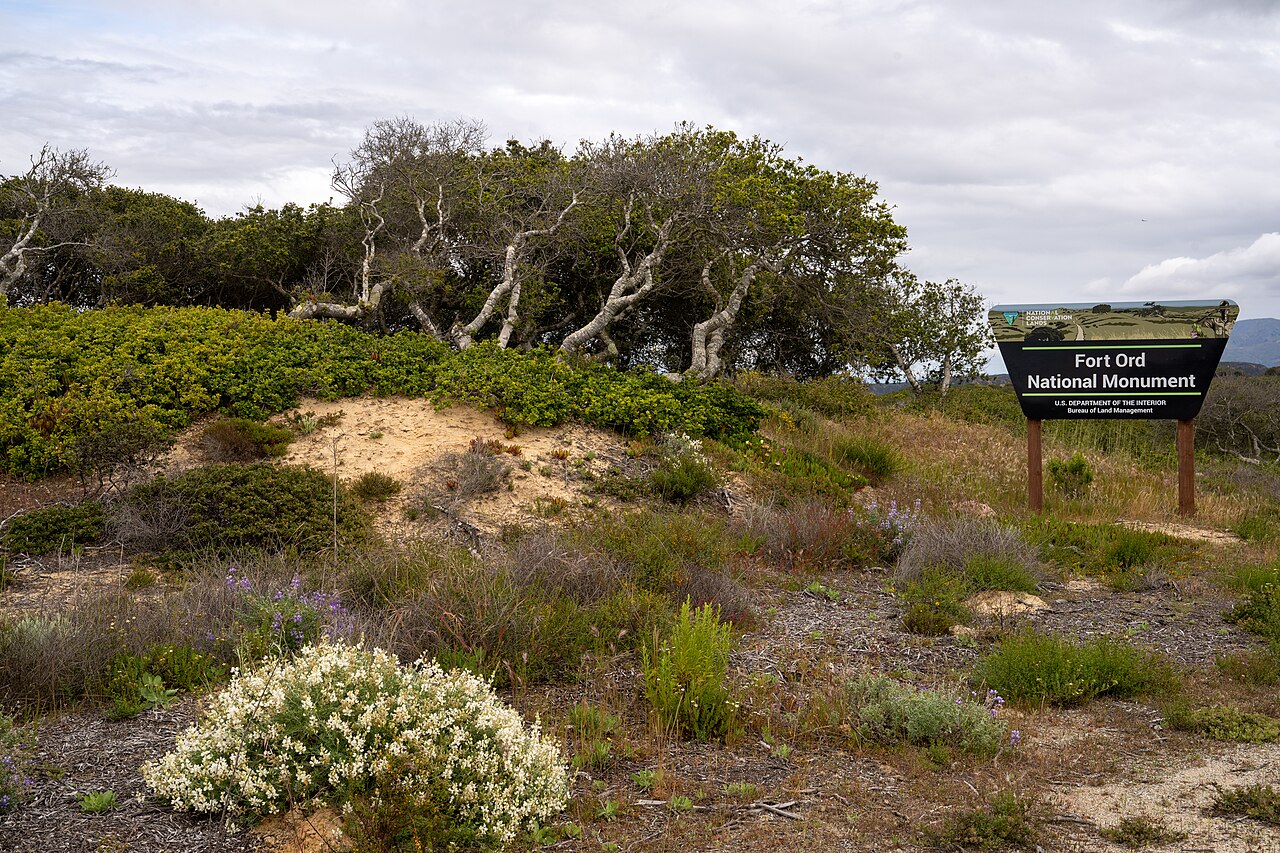
Fort Ord National Monument
A former army base turned public land above Monterey Bay, with oak woodlands, chaparral and miles of free hiking, biking and horse trails.

National Steinbeck Center
The museum in Oldtown Salinas devoted to John Steinbeck, with exhibits built around East of Eden, Of Mice and Men and The Grapes of Wrath, plus the camper truck he drove across America.
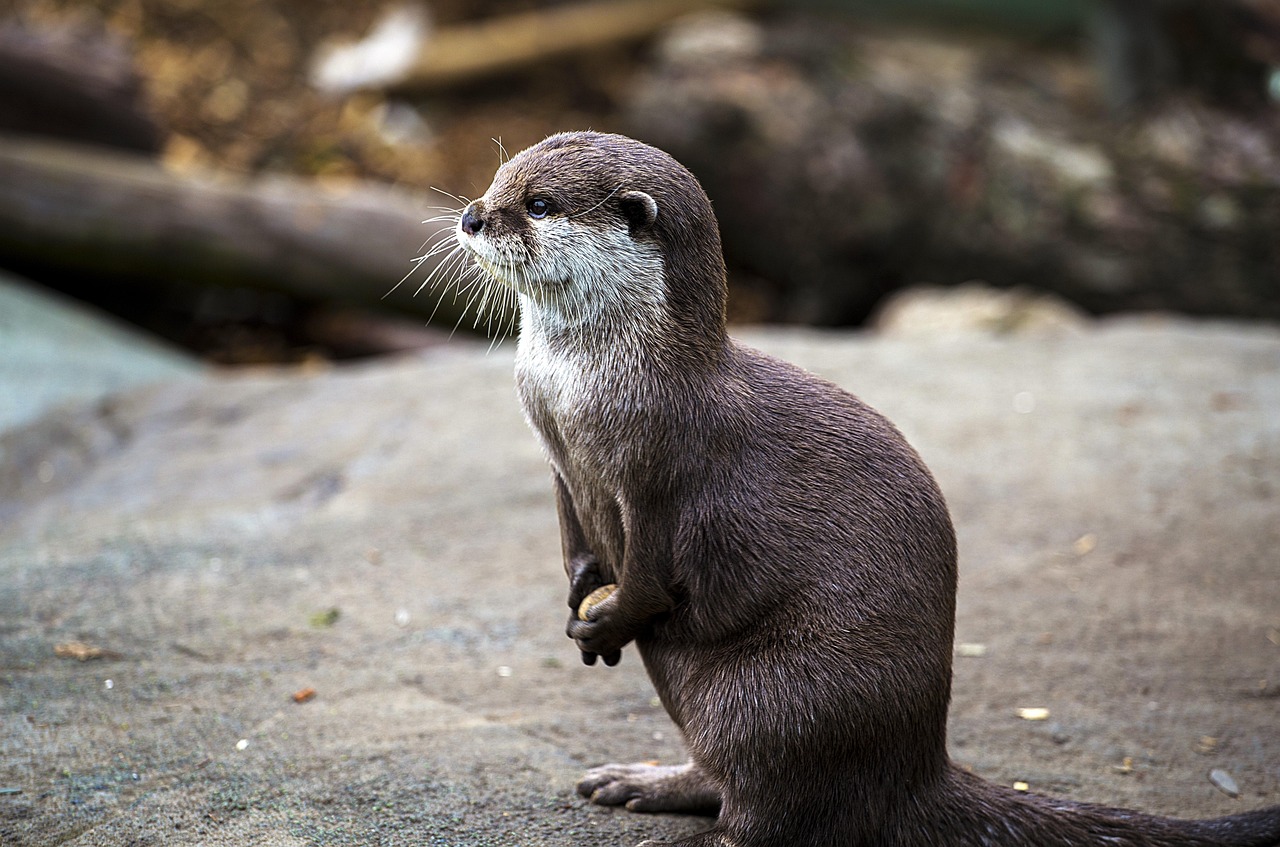
Elkhorn Slough Safari
A naturalist-led 90-minute boat tour into Moss Landing's tidal slough, where sea otters float in rafts beside the hull, harbor seals haul out on the banks and pelicans and shorebirds work the mudflats: the surest otter encounter on the bay.